Sign up to view this video
Join Now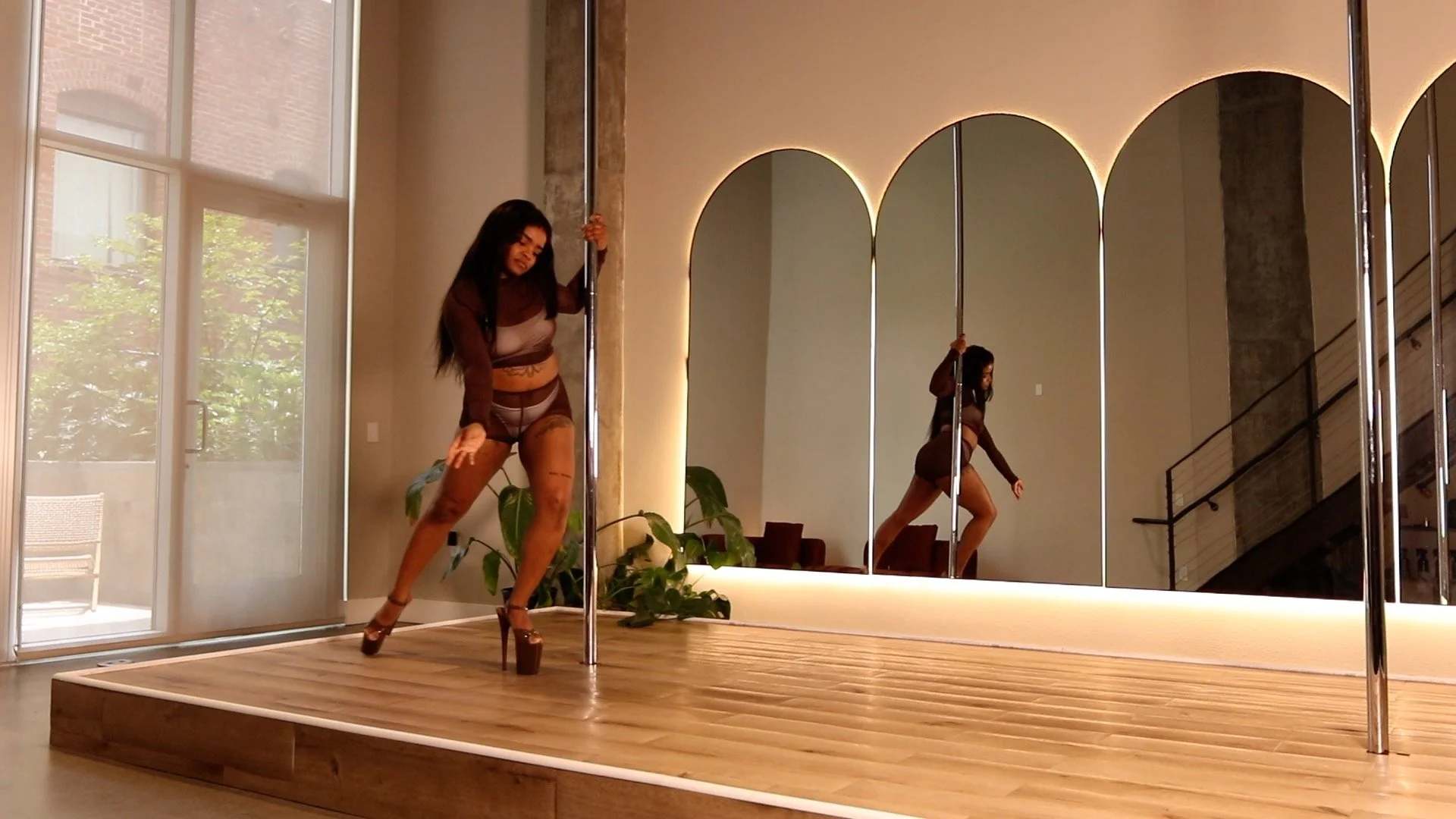
Chrome Tango: Dynamic Movement - Boleo, Gancho & Rond with Shonda Leanne
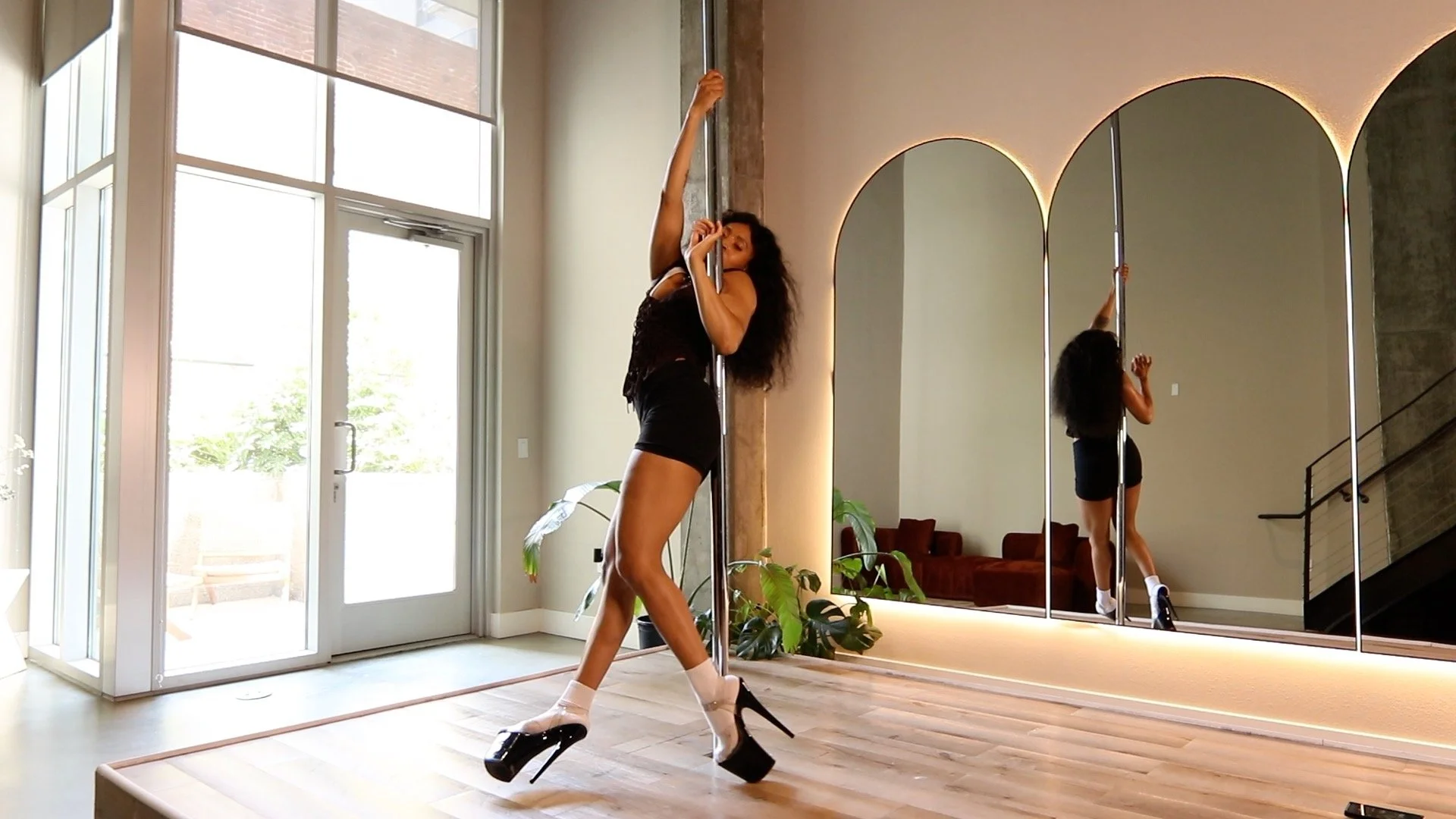
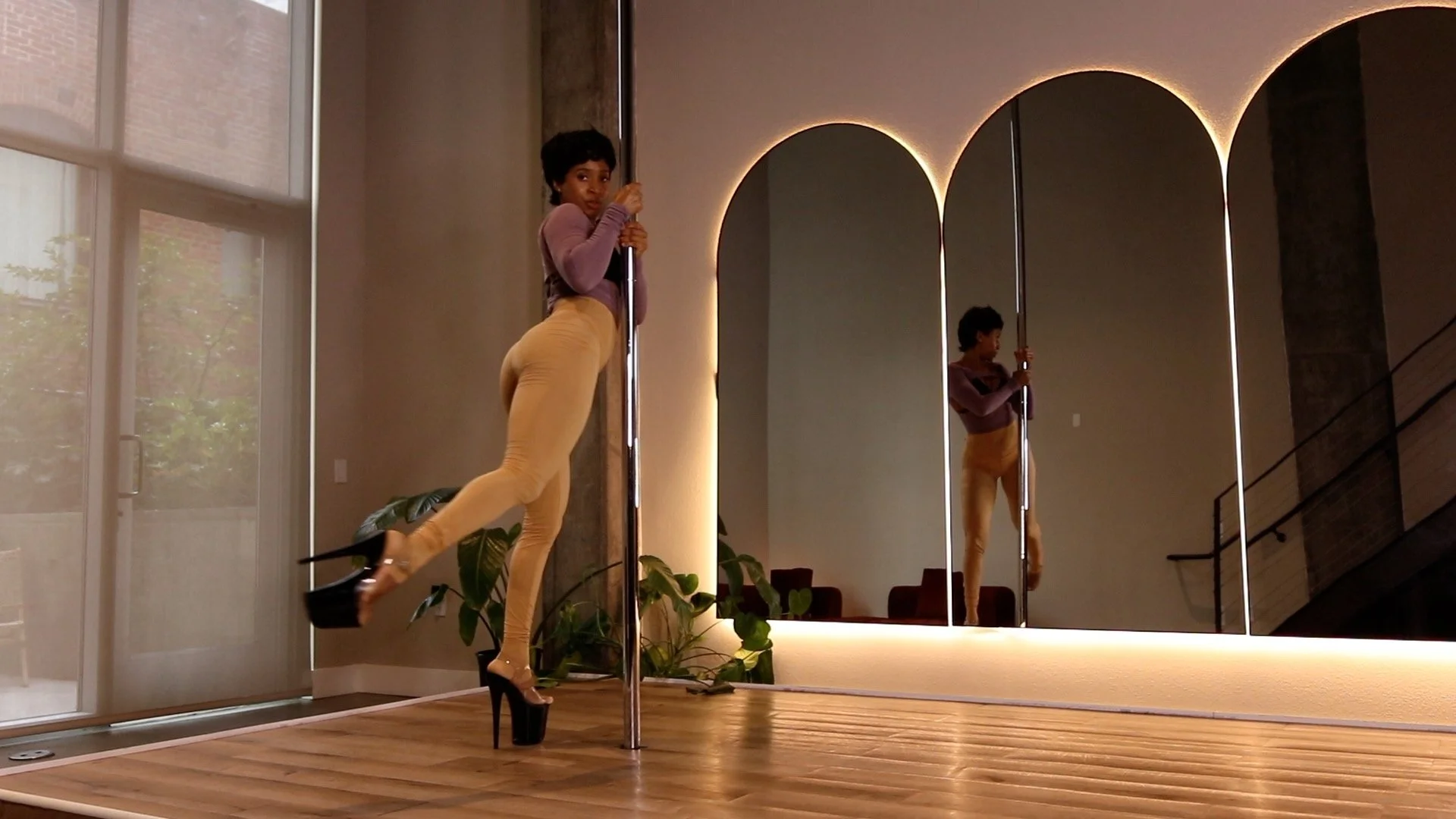
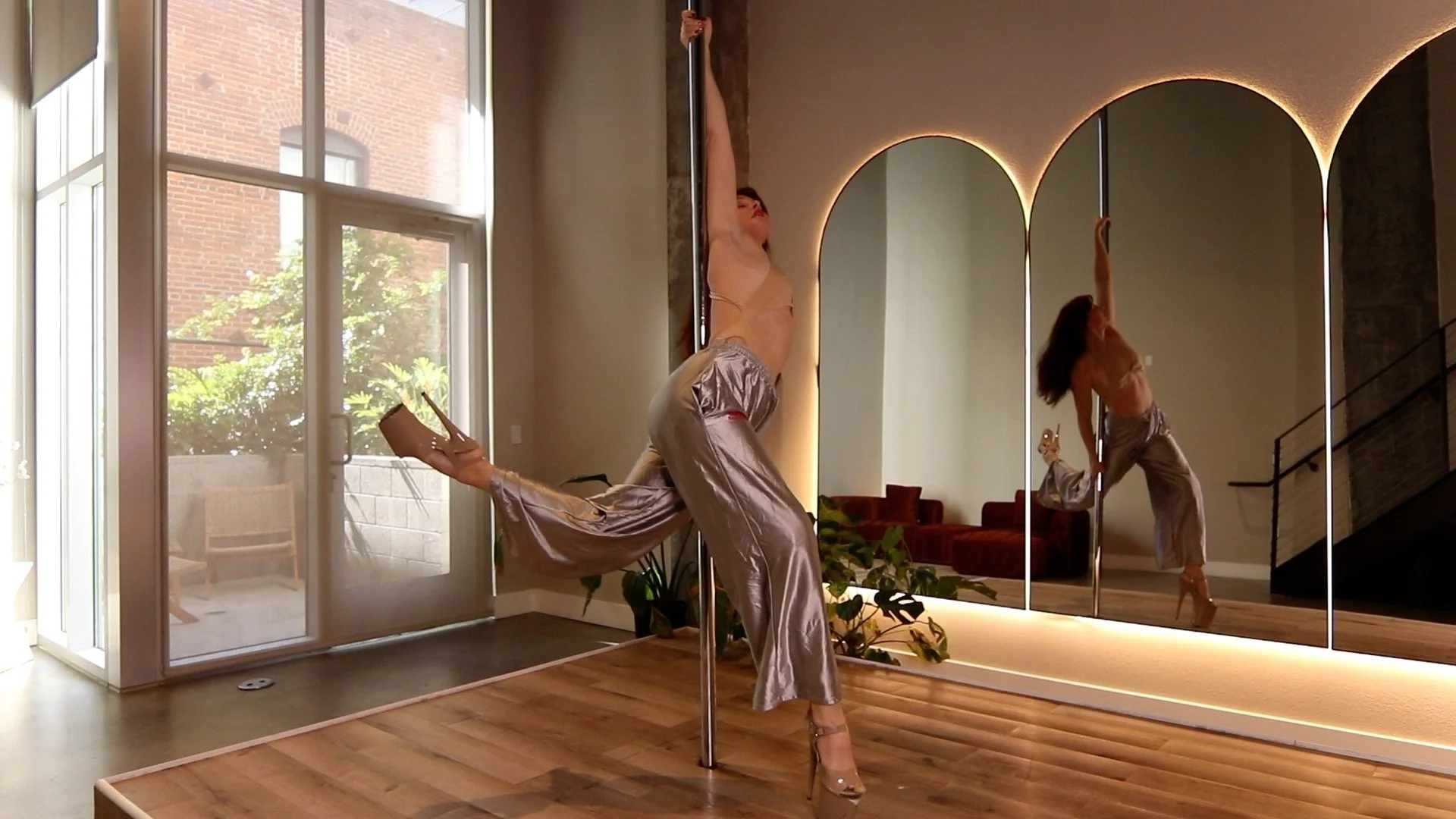
This is the third lesson in Shonda's Chrome Tango series, and dynamic here does not mean tricks. It means articulation.
Most pole training asks your legs to hold, hook, or grip. This lesson asks them to speak. You'll sample three movement embellishments drawn from tango, each one a different way of moving your legs with intention rather than function. The point is not to add difficulty. The point is to add vocabulary. This feels like having a conversation using your body, and the tone of that conversation is set by the tone of your movement.
The boleo comes from the Spanish bolear, to throw. It's a quick circular flick of the leg and foot that can stay low to the floor or lift higher, and it should feel like a whipping sensation, used to enhance the movement around it. The gancho means hook. You hook the leg to intentionally anchor yourself to your partner, the pole, for a quick moment or a prolonged one. It feels like grabbing your partner by the collar and trapping them there with you. The rond works like the rond de jambe in ballet, circling a straight leg around, and it feels like drawing a wide circle with your foot. It can live at any height.
The Sensation Layer is where these three stop being steps and start being language. You'll play with stringing them together in different combinations, which feels like drafting a conversation using just your legs. Notice how changing the height of your leg or the speed of each move changes the tone of that conversation entirely. Same three words, different meaning.
How to integrate this into your practice
Take one of these into a combo you already know and let it interrupt the shape you were going to make. That's the work. Not adding a harder move, but articulating the leg you were already moving.
Return to this lesson whenever your movement starts to feel purely functional, when your legs are only doing what the trick requires and nothing more. Ask yourself: are my legs holding, or are they saying something?
Prerequisite: Weight Transfers, the second lesson in this series.