Sign up to view this video
Join Now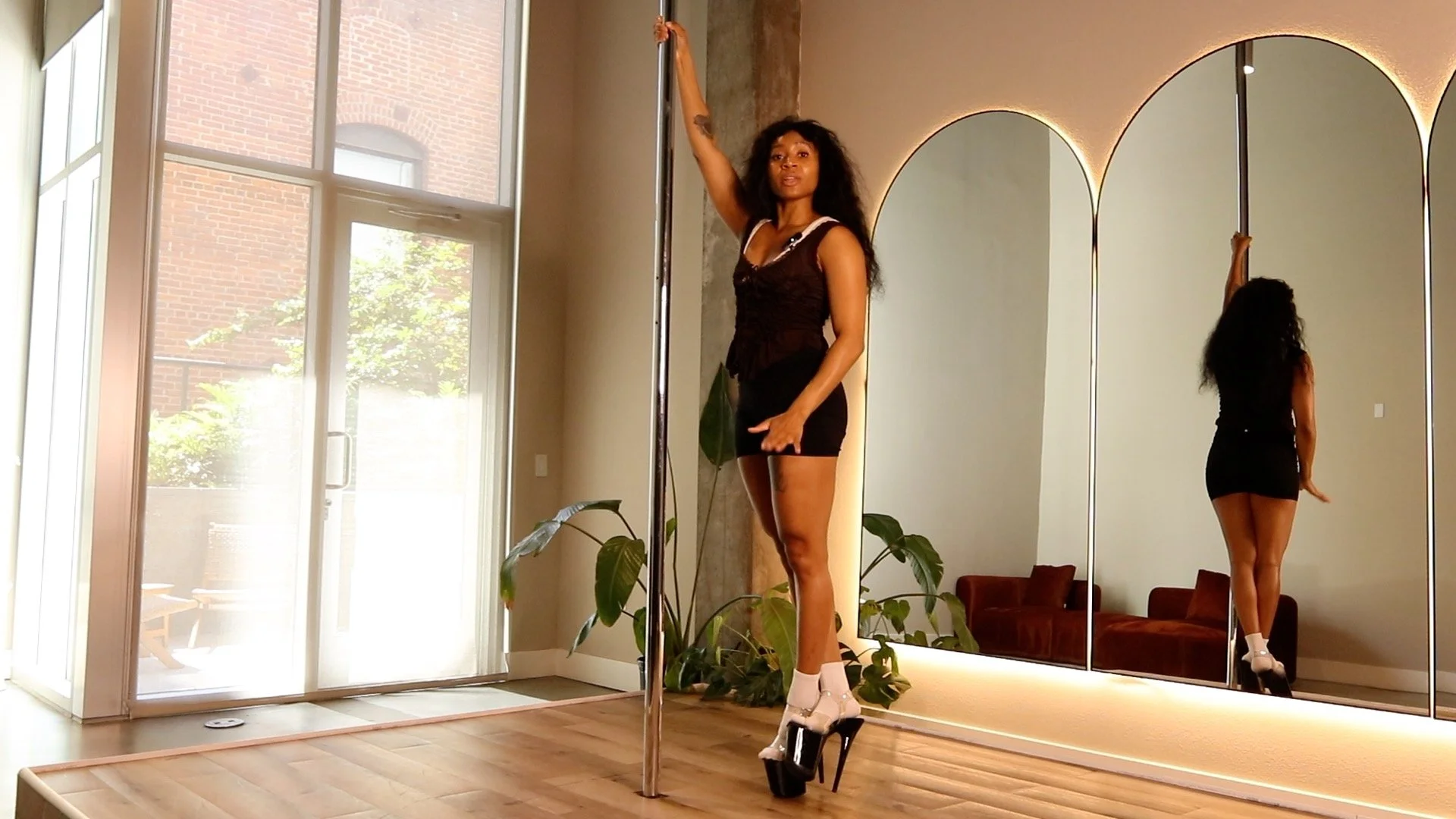
Effortless Pirouettes: Explore Four Variations
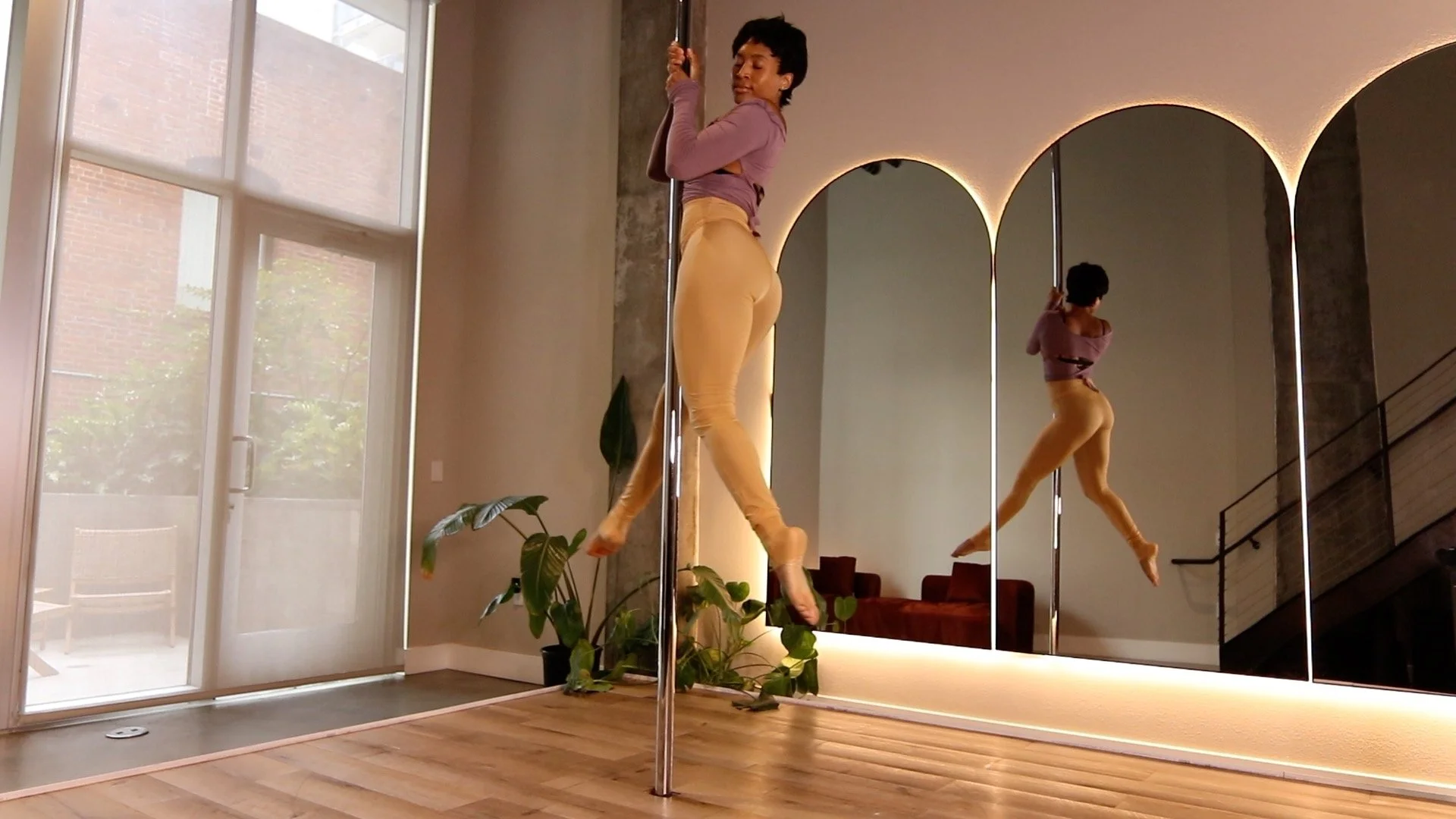
If you've ever wondered how to do a pirouette properly, or why yours feel wobbly and off balance, this dissection breaks it all the way down. Rather than teaching one version and moving on, I take apart four pirouette variations and the mechanics underneath them, so you can start using them cleanly and efficiently in your own flow.
You'll learn four variations:
The basic pirouette, the foundation everything else builds on
The figure-four pirouette, adding a shaped leg
The extended leg pirouette, working with a longer line
The crossed-heel pirouette, an edge-work variation where you tuck the outside leg behind the inside leg with a flexed foot and turn on one foot
For each one, the focus is on the mechanics that actually make a pirouette work, not just the shape. You'll go through engagement in the core and the standing leg, all the way down through the quads, calves, and ankles, so you have a stable base to turn on. You'll work on engagement through the arms, shoulders, and back for control. And you'll learn regripping and portability, how to move your grip and your weight without going wobbly or losing your balance mid-turn.
This is a movement dissection, which means it's built to be studied. The goal isn't to run the variations once, it's to understand how each one works so you can pull them into your flow with intention.
How to integrate this into your practice
Start with the basic pirouette and drill the engagement cues before you add any variation. Get the standing leg, core, and grip working together until the turn feels stable and quiet. Once that foundation is solid, layer in one variation at a time. As you get more efficient, you'll find these start showing up naturally in your flow, as clean transitions rather than tricks you have to set up for.